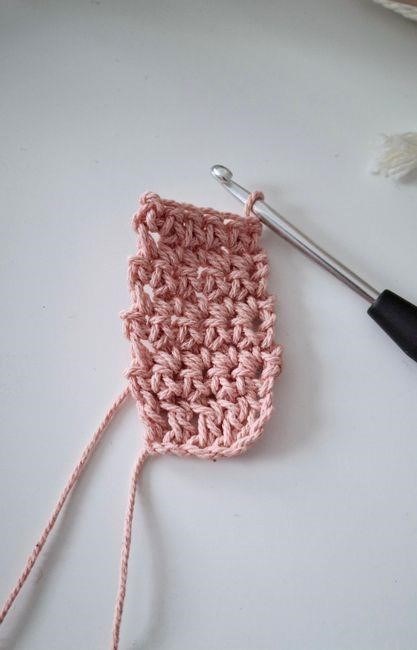
Granny squares, timeless crochet motifs, serve as foundational building blocks for beginners. A simple center ring, followed by chains and double crochets, creates a versatile square. PDFs offer step‑by‑step guidance, making the pattern accessible and easy to follow. Enjoy crafting with confidence.
Definition and Origins
The granny square, a staple of crochet, traces its roots back to the early 19th century. Originally devised as a way to repurpose leftover yarn, the pattern evolved into a decorative motif used in blankets, afghans, and modern accessories. Its simple structure—a center ring, chains, and double crochets—makes it an ideal teaching tool for beginners. The term “granny” reflects the pattern’s popularity among older women who used it to create practical items for their families. Over time, variations emerged, incorporating color drops, textured stitches, and intricate designs, yet the core concept remains unchanged. Today, free PDF patterns provide step‑by‑step instructions, allowing novices to master the technique quickly and confidently.
In the 19th‑century United States, women in rural communities gathered to share stories and yarn, creating granny squares as a practical solution for making blankets and clothing. The pattern’s modular nature allowed pieces to be combined into larger works, fostering a sense of community and collaboration. By the early 20th century, the granny square had spread to Europe, where it was adapted into various cultural motifs; Today, the motif remains a staple in contemporary craft, celebrated for its versatility and accessibility.
Modern designers continue to reinterpret granny squares, integrating them into fashion, home décor, and digital media. Their geometric simplicity allows for endless customization, making them a new staple in the crochet community
Why PDFs are Popular Formats
PDFs have become the go-to format for sharing crochet patterns, especially for beginners learning the basic granny square. The format’s universal compatibility means that a pattern can be opened on Windows, macOS, Linux, or mobile devices without the need for specialized software. PDFs preserve the layout, ensuring that stitch counts, diagrams, and color charts appear exactly as intended, which is crucial for accurate execution. Additionally, PDFs can embed hyperlinks, allowing instant access to video tutorials or yarn suppliers, enhancing the learning experience. The ability to annotate or print sections directly from the document makes it easier for crafters to keep track of progress or highlight key steps. Moreover, many online communities host free PDF patterns, creating a centralized repository that is both searchable and shareable. The format’s security features, such as password protection or watermarking, help protect original designs while still allowing distribution. Finally, PDFs support high-resolution images and vector graphics, ensuring that intricate stitch diagrams remain clear even when zoomed in. These advantages combine to make PDFs an ideal medium for disseminating basic granny square crochet patterns worldwide. By downloading these PDFs, crafters gain instant access to step‑by‑step visuals, color swatches, and stitch charts that reduce trial‑and‑error, allowing them to focus on creativity rather than deciphering ambiguous hand‑written notes. This format also supports notesand.
Materials and Tools Needed
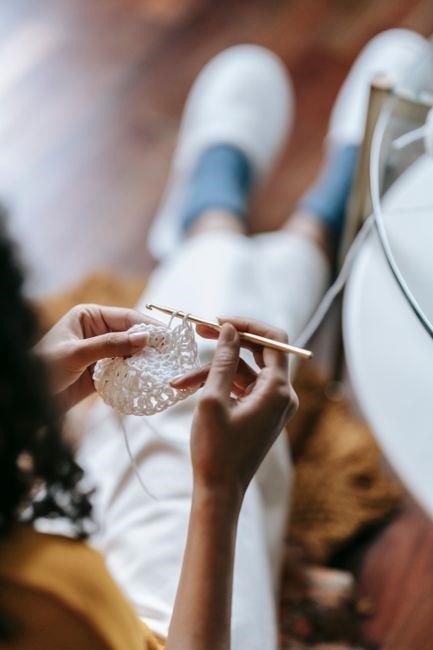
For a basic granny square, choose a medium weight yarn (worsted) and a 5‑mm hook. A small ball of yarn, a yarn needle, and a measuring tape are essential. Keep a color chart handy for accurate swatches. These basics ensure a smooth start. Stitch chart boosts speed.
Choosing the Right Hook Size
When starting a basic granny square, the hook size is pivotal. Yarn labels recommend a 5‑mm (US 8) for worsted weight, but beginners often benefit from a slightly larger hook—6‑mm (US 9)—to reduce tension and ease the learning curve. A smaller hook tightens stitches, increasing tension and making the square appear dense; a larger hook loosens the fabric, yielding a more relaxed, airy feel. Matching the hook to the yarn’s weight ensures consistent stitch size, which is essential for the square’s symmetry. If you use a yarn that is lighter than worsted, such as DK or sport weight, a 4‑mm (US 6) or 4.5‑mm (US 6.5) hook will produce a finer, tighter square. Conversely, for bulky or super bulky yarns, a 7‑mm (US 10) or 8‑mm (US 11) hook will accommodate the yarn’s thickness without breaking stitches. It’s also wise to consider the project’s end use: a blanket or afghan benefits from a medium‑sized hook that balances durability and drape, while a decorative pillow or small bag may call for a finer hook to create a delicate texture. Many crocheters keep a small set of hooks ranging from 4‑mm to 8‑mm, allowing them to experiment and find the best fit for each yarn. Finally, always test a few rows on a scrap piece before committing to the full square; this quick check confirms that the hook produces the desired tension and that the stitches hold together well. By selecting the appropriate hook size, you’ll lay a solid foundation for a flawless granny square that looks great in any finished project.
Hook shape also influences comfort and stitch quality. Ergonomic hooks with a rounded or flexible shaft reduce wrist fatigue, especially during longer sessions. For beginners, a plastic or aluminum hook with a smooth handle can prevent snagging and keep stitches flowing. Some crocheters prefer a “tapered” hook that narrows toward the tip, allowing better control over the yarn loop and reducing the chance of accidental slip stitches. Additionally, the tip size—often marked in millimeters—should match the yarn’s thickness; a tip that is too small can cause the yarn to catch, while a tip that is too large may produce uneven stitches. When in doubt, consult the yarn’s recommended hook size on the label or the manufacturer’s website; many brands provide a chart that correlates yarn weight, hook size, and stitch gauge. Using a hook that aligns with these guidelines ensures that your granny square will have the right tension, shape, and durability for any project you envision.
Recommended Yarns for Beginners
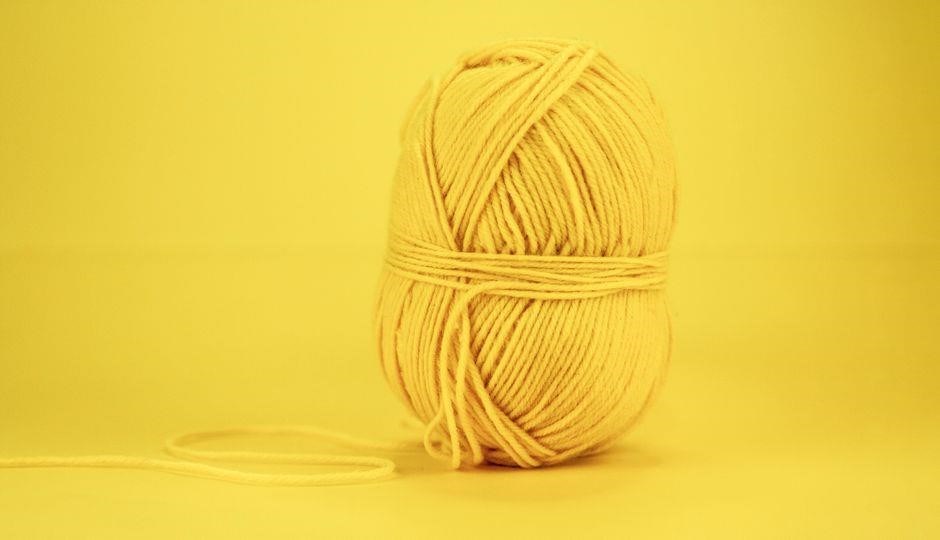
Choosing the right yarn is crucial for a smooth learning curve. Worsted weight yarns, such as acrylic blends or cotton, are ideal because they are affordable, widely available, and have a moderate thickness that makes tension easy to control. A 4‑mm (US 6) or 5‑mm (US 8) hook works well with these yarns, creates stitch holds shape. For those who prefer natural fibers, a medium‑weight wool or bamboo blend offers a soft feel and a subtle sheen, while still being forgiving for new crocheters. Light‑weight DK or sport yarns are also excellent choices; they allow for faster completion times and a lighter finished product, which is great for blankets or afghans. When selecting a yarn, look for a label that specifies “worsted” or “medium” weight, and check the recommended hook size. Many brands provide a chart that matches yarn weight to hook size, ensuring that the stitches will have the correct gauge. Additionally, choose a yarn with a smooth texture to reduce friction and prevent snagging. If you plan to use the granny squares in a project that will be washed frequently, opt for a dye‑fast, washable yarn. Acrylics are typically 100 % dye‑fast, but natural fibers may require more careful washing. Finally, consider the color palette: starting with neutral shades such as cream, gray, or navy makes it easier to combine squares later, and you can always add a pop of color with a contrasting accent yarn. By selecting a yarn that is affordable, easy to handle, and suitable for the intended project, beginners can focus on mastering stitch technique without worrying about yarn complications. Add subtle color drops to each square, creating a vibrant eye‑catching tapestry. red
Step-by-Step Basic Granny Square Pattern
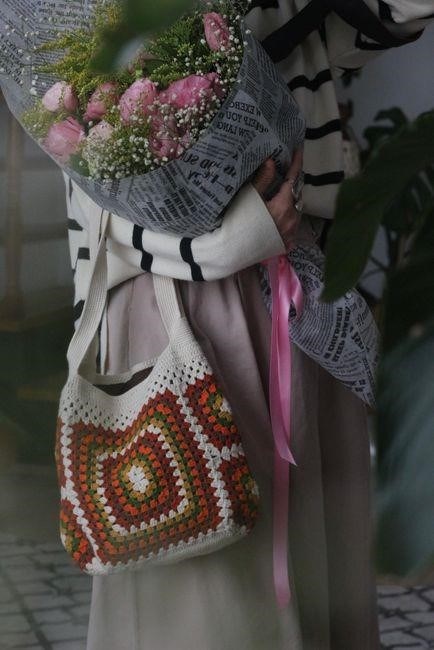
Start with a center ring, slip‑knot, chain 3, join with a slip stitch. Work 3 double crochets into the ring. Chain 2, 3 double crochets, chain 2, 3 double crochets. Repeat the sequence twice more, then finish with a slip stitch. Cut yarn, weave in ends. Start! 2 Enjoy! Happy!
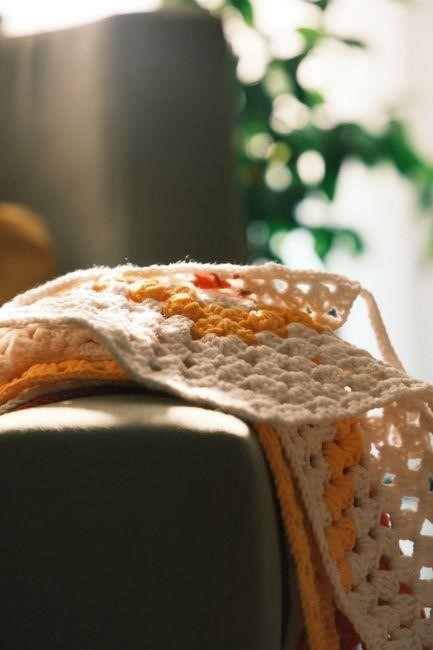
Starting with a Center Ring
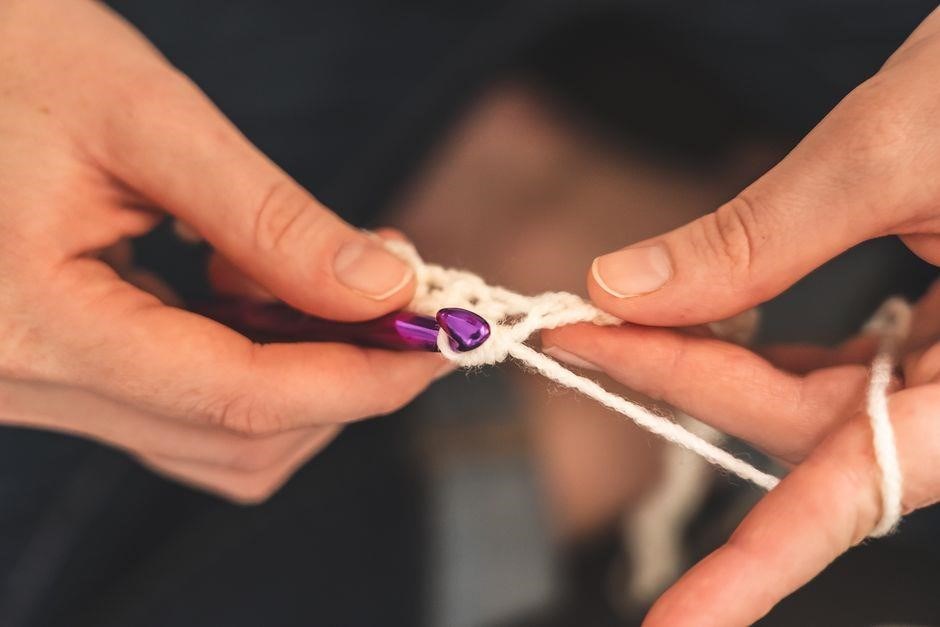
Begin by forming a tight slip‑knot on your hook, then pull the yarn through to create a secure loop. This loop is the center ring that anchors the entire square. From here, chain three stitches; the first chain is the “chain‑3” that will become the first double crochet. Slip the yarn into the loop, then perform a double crochet into the center ring. Repeat this double crochet two more times, so you have a total of three double crochets in the ring. After the third double crochet, chain two stitches; this chain‑2 will separate the first group of double crochets from the next group. Slip the yarn into the center ring again and repeat the three‑double‑crochet sequence, followed by another chain‑2. Continue this pattern until you have completed the third group of double crochets and the final chain‑2. Finally, slip stitch into the last chain‑2 to close the ring, securing the first corner of your square. This foundational step ensures a consistent shape and size for every square you create, making it easier to join squares later into blankets or garments. Remember to keep tension even and to count stitches carefully to avoid uneven edges. When you first start, practice the center ring on yarn to get a feel for the tension. Keep the ring snug but not tight; ring will distort the square, while ring can make stitches uneven. Once you feel confident, you can switch to your chosen yarn and hook size, ensuring the square remains across the project today.
Working the Double Crochets and Chains
Cut the yarn at the end of a group and start the next group with a color, then join colors at the corners. This allows vibrant squares without compromising structure. Slip stitch into last chain‑2 to lock tension and prevent unraveling during assembly. Now enjoy! Ok.
Common Variations & Extensions
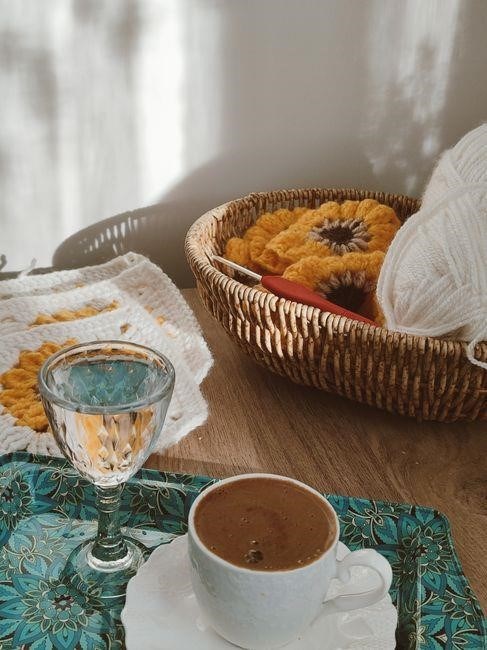
Explore color‑drop granny squares, block‑size tweaks, and edge‑stitch embellishments. Add a border of single crochets for a polished look, or mix textures with bobbles. Connect squares with a simple chain‑link to create blankets, bags, or scarves. Enjoy! Try!
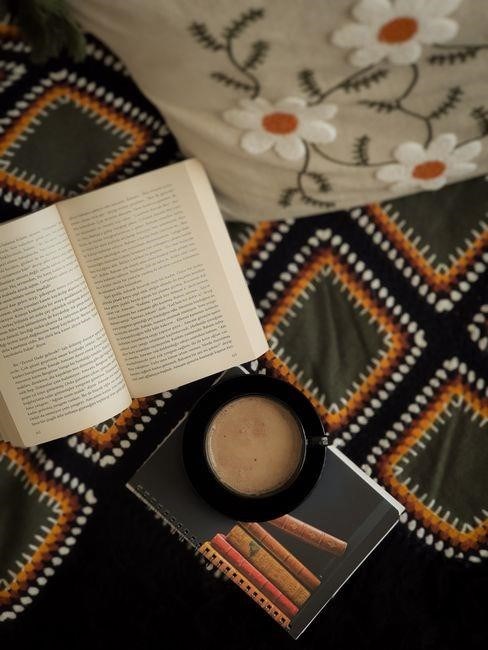
Adding Color Drops
Color drops are a subtle yet powerful way to inject personality into a granny square. Begin by choosing a yarn that contrasts nicely with the base color—bright blues, metallic silvers, or even a subtle variegated shade can work wonders. After completing the first round of double crochets, switch to the drop yarn at the very start of the second round. Work 4–6 double crochets in the new color, then return to the original yarn for the remainder of the round. This creates a small, clean “drop” that appears in each corner of the square. For a more dramatic visual, extend the drop to 8–10 double crochets or use a yarn with a sheen or texture that catches the light. When you connect squares, align the drops so that they line up across seams; this gives the finished blanket a cohesive, almost striped look. If you prefer a speckled effect, keep the drops short and place them in alternating corners. Longer drops can form a gentle diagonal line across the square, adding depth. Maintain consistent tension throughout to avoid puckering or uneven edges. You can also use color drops to highlight special stitch patterns—place a drop over a cluster of bobbles or a decorative border to make it pop. Experiment with multiple colors in a single square: start with a primary drop, then add a secondary drop in a different hue for a gradient effect. Finally, remember that the placement of the drop can signal a theme—use warm tones for a cozy winter blanket or cool hues for a refreshing summer afghan. Mastering color drops turns a simple granny square into a personalized, eye‑catching piece that reflects your style. If you’re working on a large project, consider using a color drop that matches the overall color palette of the surrounding squares. This subtle harmony enhances the aesthetic appeal without overwhelming the design. Additionally, color drops can be used to mark a milestone or commemorate a special event—think of a wedding anniversary afghan where each drop represents a year of marriage. With practice, you’ll find the perfect balance between subtlety and statement, making every square a unique work of art. Let each drop tell a story. Color drops bring warmth. Happy crocheting
Connecting Squares into a Blanket
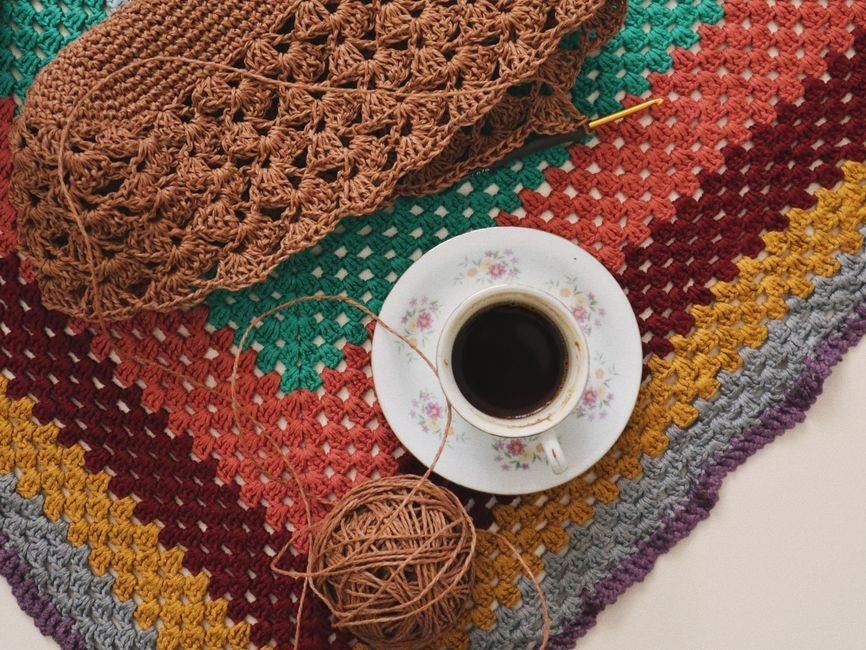
Begin by arranging your squares in a grid that matches the desired blanket dimensions. A common approach is to work in rows, stitching each square edge‑to‑edge using a slip stitch or a short chain to create a seamless seam. When you finish a row, turn the blanket and start the next row, ensuring that the corners line up perfectly. To maintain a clean look, keep the tension consistent and avoid pulling the yarn too tight, which can distort the squares. If you’re using color drops, align them across rows so that they create a subtle stripe or pattern throughout the blanket. When connecting the final row, use a yarn that matches the overall color scheme to tie the edge together. A simple garter stitch border or a decorative edge stitch can add a finished feel. For larger blankets, consider adding a border of single crochet or a simple chain stitch to frame the design. This not only protects the edges but also provides a place to attach a handle or a decorative flourish. Once the blanket is complete, block it to open up the squares and even out the tension. Blocking involves dampening the yarn, shaping the blanket, and allowing it to dry flat. This step ensures that the squares lie flat and the blanket drapes beautifully. Finally, wash the blanket according to the yarn’s care instructions, and it’s ready to use or gift. Enjoy the process of turning individual squares into a cohesive, functional piece that showcases your crochet skill. Add touch with favorite yarn!.
Where to Download Free PDF Patterns
Explore sites like Ravelry, Pinterest, and free crochet blogs. Search “free granny square PDF” for downloadable charts. Many communities share patterns under Creative Commons. Bookmark reliable sources and always check licensing before printing. Enjoy!
Trusted Online Resources
When searching for free PDF patterns, the most reliable sites are those with a long‑standing reputation in the crochet community. Ravelry offers a vast library of user‑submitted patterns, and the comment section often contains helpful tweaks and color‑matching suggestions, allowing you to adapt the pattern to your own yarn selection.
Another dependable source is the official website of the Crochet Guild of America. Their “Free Pattern” archive contains professionally designed PDFs, many of which feature step‑by‑step instructions and a printable chart. The Guild’s editorial team ensures that each pattern meets quality standards, so you can trust the accuracy of the stitch counts and the clarity of the layout. The Guild’s editorial team also provides color‑matching charts, ensuring a nice nowyour blanket.
For those who prefer a visual approach, Pinterest hosts a curated collection of granny square tutorials. By selecting the “PDF” filter, you’ll find pins that link directly to downloadable files. Many contributors provide brief descriptions of difficulty level and yarn recommendations, helping you choose a basic square that matches your interests.
Finally, the free crochet pattern section on Craftsy offers PDF downloads. Their patterns are organized by difficulty and style, making it easy to find a basic square that matches your interests. Craftsy’s forums allow you to ask questions and receive feedback from experienced crocheters, ensuring a smooth learning experience.
Community Platforms and Forums
Engaging with fellow crocheters on community platforms can accelerate learning and spark creativity. Reddit’s r/crochet subreddit hosts thousands of threads where users share PDF links, troubleshoot stitch issues, and post color‑matching charts. The subreddit’s “Ask a Crochet Expert” feature allows beginners to receive instant feedback on their first granny square attempts.
Facebook groups such as “Crochet Beginners” and “Granny Square Enthusiasts” provide a supportive environment where members post step‑by‑step photos, upload PDF patterns, and organize virtual meet‑ups. These groups often feature weekly challenges that encourage members to experiment with new color combinations or stitch variations.
Instagram’s hashtag culture (e.g., #grannysquare, #crochetpdf) showcases finished projects and links to downloadable patterns in the bio or comments. Many creators host live tutorials, offering real‑time guidance on mastering the basic square.
YouTube channels dedicated to crochet, like “Crochet with Sarah” or “The Crochet Crowd,” daily upload video tutorials that reference downloadable PDFs. Comment sections serve as forums where viewers can ask for clarifications or share their own pattern adaptations.
Discord servers such as “Crochet Community Hub” host text and voice channels for instant support. Members share PDF files, discuss yarn choices, and coordinate group projects, making it a dynamic space for both novices and seasoned crocheters.