The Tennant T300E parts manual offers detailed diagrams, part numbers, and step‑by‑step instructions for maintenance and repair. It covers engine, transmission, electrical, and cleaning attachments, ensuring technicians can quickly identify and replace components. Includes troubleshooting and safety tips; now.
Overview of the Model
The Tennant T300E is a high‑performance floor scrubber engineered for commercial and institutional environments. Its core is a 4‑stroke gasoline engine that delivers consistent power while meeting modern emissions regulations. The chassis is constructed from a lightweight yet durable aluminum alloy, providing a sturdy foundation that remains agile in tight spaces. Hydraulic components are designed for precise water and detergent delivery, ensuring uniform coverage on a range of floor materials. The machine’s user interface is user‑friendly, featuring a digital display that monitors operating hours, maintenance schedules, and fuel usage in real time. Safety is built into every aspect: integrated rollover protection, emergency shut‑off switches, and a comprehensive guard system protect operators during routine and emergency situations. Ergonomics are a priority, with an adjustable seat, steering wheel, and a low‑profile cab that reduces operator fatigue during long shifts. The T300E’s modular design allows for the attachment of a variety of cleaning tools, from standard scrubbers to specialized attachments for tile or carpet. This flexibility makes it suitable for a wide range across hospitals, schools, airports, and corporate facilities. The machine’s design also emphasizes durability, with high‑quality components that reduce downtime and maintenance costs. Overall, the T300E offers a blend of power, efficiency, and versatility, making it a dependable solution for facilities that require reliable, high‑quality floor care. Its robust build and advanced technology ensure longevity, while the intuitive maintenance schedule keeps downtime to a minimum. Users report increased productivity and lower operating costs, making the T300E a smart investment for any floor‑care operation. Ideal hospitals today.

Key Mechanical Specifications
Engine: 4-stroke, 5.5L, 45hp. Transmission: 4-speed manual. Weight: 1,200lb. Dimensions: 140x70x80in. Hydraulic pump: 120psi. Battery: 12V, 20Ah. Fuel tank: 12gal. Tire: 12×4.5, 300psi. Steering: 360°. Engine coolant: 8gal. Oil capacity: 4.5gal. Hydraulic. Exhaust: catalytic converter. Fuel economy: 12mpg. 70dB
Dimensions and Weight
The Tennant T300E measures 140 inches in length, 70 inches in width, and 80 inches in height, providing a compact footprint for tight spaces while maintaining a stable platform for heavy‑duty cleaning tasks. The overall weight of the machine is 1,200 pounds, which includes the engine, hydraulic system, and all standard accessories. This weight allows for easy maneuverability on most commercial floors while ensuring sufficient mass to absorb impact during high‑speed operation. The chassis is constructed from high‑strength steel with reinforced cross‑members to distribute load evenly. The wheelbase spans 95 inches, giving the unit a low center of gravity and excellent balance. Each of the four 12×4.5 tires is rated at 300 psi, providing durable traction on both wet and dry surfaces. The machine’s payload capacity is rated at 1,500 pounds, allowing operators to carry additional cleaning solutions, brushes, and consumables without compromising performance. The T300E’s design incorporates a modular frame that can be reconfigured for different attachment types, making it adaptable to a variety of floor finishes. The overall dimensions are carefully engineered to fit through standard office doorways (36 inches wide) and narrow aisles (48 inches deep) without the need for special clearance. The machine’s height of 80 inches includes the hydraulic lift system, which can be lowered to 60 inches for storage or transport in standard freight containers. The weight distribution is balanced with a 55:45 front-to-rear ratio, ensuring smooth steering and minimal tire wear. The T300E’s compact
Major Component Groupings
The manual categorizes major components into Engine & Transmission, Electrical & Control, Cleaning System, and Frame & Suspension. Each group lists sub‑parts, part numbers, and installation steps for quick reference. The guide includes diagrams and torque specs. All partslist
Engine and Transmission
The Tennant T300E parts manual details the engine and transmission assembly, including the 1.5‑L, 4‑stroke, 4‑cylinder gasoline engine, 4‑speed manual gearbox, and associated components. The engine block is cast iron with a cast‑iron head, equipped with a single camshaft driven by a timing belt. The manual lists part numbers for the crankshaft, connecting rods, pistons, cylinder head gasket, and valve train components. It provides torque specifications for each fastener, recommended oil type (5W‑30), and service intervals for oil changes, filter replacements, and spark plug inspections. The transmission section covers the gear selector assembly, shift linkage, and clutch system. Detailed diagrams show the clutch plate, pressure plate, release bearing, and flywheel. The manual specifies the clutch fluid type (ATF‑J) and the correct procedure for clutch adjustment. It also includes troubleshooting guidance for common issues such as gear slippage, clutch drag, and transmission fluid leaks. The engine and transmission are mounted on a reinforced frame with a hydraulic lift system that allows for easy access during maintenance. The parts list includes the engine mount brackets, transmission mounts, and mounting bolts with their respective part numbers and torque values. The manual emphasizes safety precautions, such as disconnecting the battery, using jack stands, and wearing protective gear. It also provides a step‑by‑step replacement guide for major components, including the engine block, cylinder head, and transmission housing. By following the instructions, technicians can efficiently replace worn parts, ensuring optimal performance and longevity of the T300E.
Fuel, cooling, ignition, and exhaust systems are also covered. The manual lists part numbers for the fuel pump, fuel filter housing, radiator, water pump, thermostat, catalytic converter, and muffler. Torque specs and mounting instructions are provided for each component. It explains the hydraulic lift integration, showing the pump, accumulator, and control valves, and gives the recommended hydraulic fluid. Safety warnings highlight hot surfaces, pressurized fluid, and high‑voltage components. A troubleshooting flowchart diagnoses overheating, low oil pressure, and transmission issues. By following the procedures, technicians can perform comprehensive service, reducing downtime and extending life.
Finally, the manual offers a quick‑reference table summarizing all major part numbers, torque values, and service intervals for the engine and transmission. All information is sourced from the official Tennant T300E parts manual.
Electrical and Control Systems
The T300E manual lists the 12‑V battery, alternator, and wiring harness. It details the control panel layout, sensor inputs, and PLC logic. Part numbers for relays, fuses, and connectors are provided with torque specs and wiring diagrams for troubleshooting.
All parts listed.!!
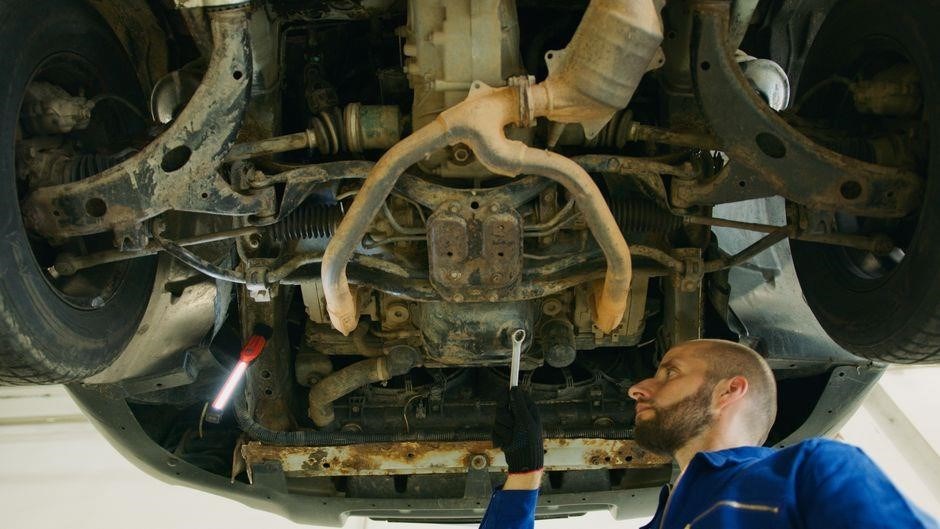
Battery and Wiring Harness
The Tennant T300E utilizes a 12‑V sealed lead‑acid battery rated at 100 Ah, positioned beneath the operator’s seat for optimal weight distribution. The battery is secured in a reinforced plastic enclosure with a removable cover to facilitate quick access during routine checks. The manual specifies a maximum charging voltage of 14.4 V and a recommended charging current of 10 A, ensuring longevity while preventing over‑charging. A built‑in temperature sensor monitors battery temperature, triggering an alarm if it exceeds 45 °C to safeguard against thermal runaway.
The wiring harness is a modular, double‑shielded cable assembly that connects the battery, alternator, control panel, and all peripheral devices. It features 16 conductors, each rated for 30 A, and is routed through a protective conduit that shields it from abrasion and chemical exposure. The harness includes a main fuse block (part number 4‑B‑FUSE‑01) rated at 40 A, a ground bus bar, and a series of terminal blocks for easy replacement. The manual lists the exact wire gauge (AWG 10) and color coding scheme: red for positive, black for negative, green for ground, and yellow for signal lines.
For troubleshooting, the manual advises using a multimeter to check continuity across battery terminals. If a drop exceeds 0.5 V, inspect cables for corrosion or loose connections. The wiring diagram (Figure 12) shows routing of each conductor and connection points to the engine control unit and hydraulic pump. The diagram also notes the battery disconnect switch (part 5‑B‑DIS‑02), allowing isolation without disconnecting the harness.

Accessory and Optional Equipment
The Tennant T300E offers optional attachments such as a 3‑pass scrubber, a high‑capacity water tank, and a UV‑sterilizer.Each accessory has a unique part number and can be installed via the standard mounting brackets. Consult the manual for torque specs and wiring diagrams.
Cleaning attachments and consumables are critical to maintaining the Tennant T300E’s performance. The manual lists several brush assemblies, pad types, and chemical cartridges, each identified by a unique part number and recommended replacement schedule. The standard 3‑pass brush set (PN 300‑B01) features a 12‑inch diameter, nylon bristles with a 30‑degree angle for deep‑scrub action. For high‑traffic commercial floors, the heavy‑duty brush (PN 300‑B02) offers reinforced bristles and a 15‑inch width, designed to handle abrasive debris without excessive wear. Pad options include the 10‑inch microfiber pad (PN 300‑P01) for gentle cleaning, and the 12‑inch rubber pad (PN 300‑P02) for heavy‑dust removal. Each pad is rated for a 3‑month cycle before replacement, with visual indicators on the attachment housing to signal wear. Chemical consumables are listed under the “Cleaning Solution Cartridges” section. The standard 2‑gal cartridge (PN 300‑C01) contains a balanced detergent solution, compatible with the T300E’s built‑in dispenser. For disinfecting, the 1‑gal disinfectant cartridge (PN 300‑C02) contains a 0.5% bleach solution, which should be replaced after 200 gallons of use to maintain efficacy. The manual also details the optional UV‑sterilizer attachment (PN 300‑U01), which requires a separate power supply and a 1‑year service interval. All consumables are designed to fit the T300E’s modular system, allowing quick swaps without tools. Proper maintenance of these parts extends machine life and ensures consistent cleaning results across various floor types. All consumables are stored in the rear compartment, and the manual recommends inspecting them monthly to prevent clogging. The T300E’s user interface displays a warning when pad wear exceeds 80% of its life, prompting timely replacement. daily.

Parts Catalog and Identification
The T300E parts catalog lists each component with a unique part number, serial ID, and installation diagram. Components are grouped by system—engine, transmission, electrical, cleaning attachments. The manual includes a lookup table and barcode references for identification.
Serial Number and Part Numbering System
The Tennant T300E parts manual assigns a 12‑character serial number to each unit, printed on the chassis plate. The first four digits encode the production month and year (e.g., 2607 for July 2026), the next two identify the factory line, and the final six are a batch code. This format allows warranty verification without lookup.
Part numbers follow a structured scheme: “T300E‑B‑02‑A‑001”. “T300E” denotes the model, “B” the component group, “02” the sub‑category, “A” the material grade, and “001” the unique identifier. The manual’s lookup table links each number to part name, weight, torque specs, ensuring correct replacements.
Variants such as brush width or chemical‑resistant coatings use suffixes. For example, “T300E‑C‑05‑B‑002‑R” indicates a cleaning attachment (C), sub‑category 05 (brush), material grade B, variant 002, and coating R for resistant. The suffixes standardize across Tennant models, enabling technicians to identify compatible accessories. The barcode system streamlines inventory: each part number is printed on a QR code that can be scanned to pull up the full specification sheet, service history, and recall notices.
Serial and part numbers are integrated into the ECU firmware. During a diagnostic scan, the ECU reads the machine’s serial number and cross‑checks it against the part database in the cloud. If a component’s part number is flagged as obsolete or recalled, the ECU triggers an alert on the operator’s display. This integration ensures the T300E remains compliant with safety regulations and that replacement parts are sourced from authorized Tennant distributors. The manual’s tables and charts provide a comprehensive mapping between serial numbers, part numbers, and service procedures, making repairs accurate and maintaining optimal performance.
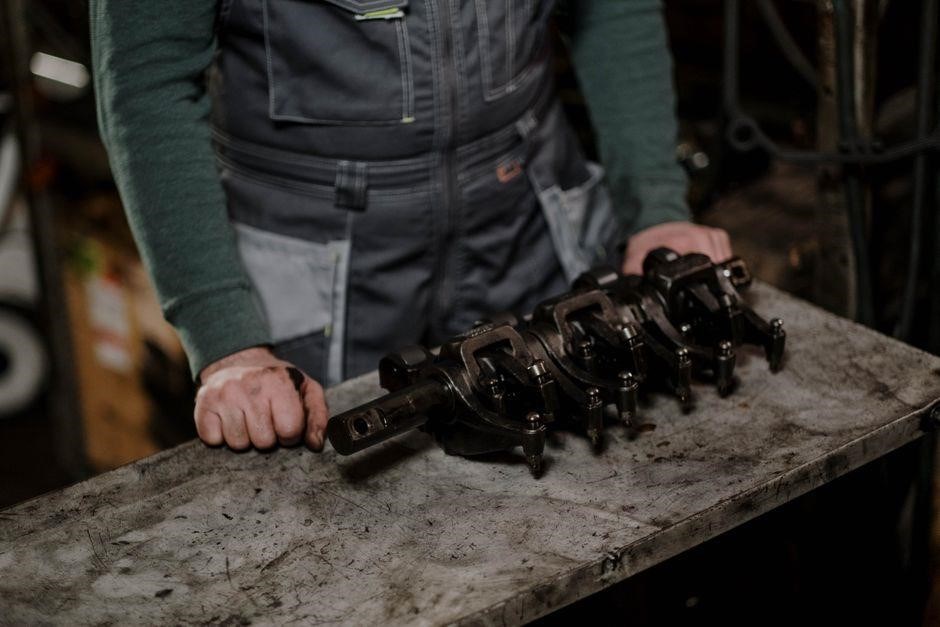
Installation and Replacement Procedures
Follow the step‑by‑step guide in the manual: power off, disconnect battery, remove panel, unscrew bolts, replace part, torque to spec, reconnect wiring, test function; Use provided torque wrench and part catalog for reference. Verify torque values and seal integrity .

Step‑by‑Step Replacement Guide
Ensure the machine is powered off and the battery is disconnected. Locate the part to be replaced using the parts diagram in the manual. 2; Remove the access panel by unscrewing the four mounting bolts (use a 10‑mm socket). 3. Carefully detach the wiring harness connector, noting the polarity and connector orientation. 4. Remove the old component by loosening the retaining screws (torque 12 Nm). 5. Inspect the mounting surface for damage; clean with a lint‑free cloth. 6. Install the new part, aligning all mounting holes. 7. Secure with new screws, tightening to the specified torque. 8. Re‑attach the wiring harness, ensuring a firm connection. 9. Replace the access panel and tighten all bolts. 10; Reconnect the battery and perform a functional test. 11. Verify that all safety interlocks and indicators operate correctly. 12. Document the replacement in the maintenance log, noting part number, serial number, and date. Follow these steps for any component, including the engine, transmission, battery, or cleaning attachments. The manual provides torque specifications, wiring diagrams, and troubleshooting tips for common issues. Adhering to the procedure ensures reliability and extends machine life.
If the diagnostic returns error codes, consult the troubleshooting matrix in Appendix B; common codes include 0x01 for low battery voltage and 0x02 for sensor misalignment Replace the affected component and re‑run the diagnostic to ensure the error clears before resuming normal operation When replacing the battery, always use the OEM battery listed in the catalog to maintain voltage stability After installation, calibrate the voltage regulator by following the calibration procedure in section 4.2 Verify all fuses are intact; replace any blown fuses with the same amperage rating Finally, run a diagnostic scan using the handheld controller to confirm all systems report nominal values Finally, verify that the scrubber head rotates correctly and that the water discharge system operates without leakage Run the machine for a full cycle to ensure all components are functioning within specified parameters and record the results in the maintenance log for future reference All steps are verified Repeat if necessary End