This manual provides comprehensive guidance for your Mazda 3‚ offering detailed repair‚ maintenance‚ and diagnostic information in PDF format. Access owners manuals and guides online!
Understanding Your Vehicle
Your Mazda 3 is a sophisticated vehicle‚ and this section aims to familiarize you with its core components and systems. Understanding the layout of major assemblies – like the engine‚ braking‚ and suspension – is crucial for both routine maintenance and recognizing potential issues. Diagrams illustrating these components‚ particularly those found beneath the vehicle‚ are available within the comprehensive PDF service manuals.
These manuals detail everything from the rear wheel brake mechanisms to the suspension springs and lower arms. Familiarizing yourself with these areas‚ alongside the Mazda Connect system and related technologies‚ will enhance your ownership experience. Remember to consult the official documentation for specific model year details and safety precautions.
Locating the Manual & Digital Resources
Accessing your Mazda 3’s instruction manual is easier than ever! While a physical copy may have accompanied your vehicle‚ comprehensive resources are readily available online. Planète Mazda provides direct access to owners manuals for various Mazda models‚ including the Mazda 3. You can view these manuals in PDF format‚ covering everything from basic operation to advanced features like Mazda Connect.
Furthermore‚ dedicated guides for the infotainment system and connected services are also accessible. For detailed repair and maintenance information‚ consider exploring workshop manuals‚ often available for download. Remember to ensure compatibility with your specific model year when utilizing digital resources.

Vehicle Overview
Mazda 3 documentation details exterior controls‚ interior features‚ and fundamental vehicle components‚ including the engine‚ braking‚ and suspension systems for complete understanding.
Exterior Features & Controls
Understanding the exterior of your Mazda 3 is crucial for safe and efficient operation. This section details the function of all external components‚ beginning with the lighting system – headlights‚ taillights‚ and turn signals – and their respective controls. Learn about the operation of windshield wipers and washers‚ essential for visibility in various weather conditions.
Detailed explanations cover the side mirrors‚ including adjustment mechanisms‚ and the proper use of door locks and keys. The manual also outlines the function of the hood and trunk release mechanisms‚ alongside instructions for safe operation. Finally‚ familiarize yourself with the location and operation of external features like the fuel filler door and any available exterior sensors or cameras.
Interior Features & Controls
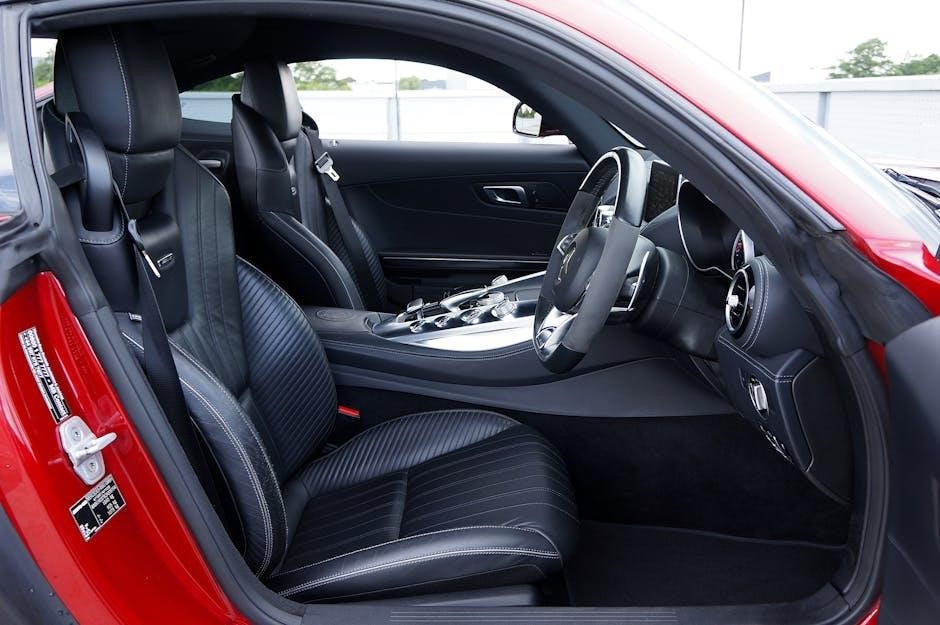
This section details the Mazda 3’s interior‚ focusing on driver and passenger comfort and control. Learn about the adjustable seating‚ steering wheel controls‚ and climate control system – including heating‚ ventilation‚ and air conditioning. Understand the function of all interior lighting‚ including map lights and dome lights.
The manual provides a comprehensive overview of the instrument panel‚ explaining each gauge and indicator light. Detailed instructions cover the operation of power windows‚ door locks‚ and the glove compartment. Familiarize yourself with the location and use of interior storage compartments and the available connectivity features‚ such as USB ports and auxiliary inputs. Safety features like the hazard lights are also explained.
Operating Your Vehicle
This guide covers essential driving procedures‚ including starting‚ stopping‚ and utilizing driving modes. It details transmission operation and the Mazda Connect infotainment system.
Starting and Stopping the Engine
Before starting‚ ensure the parking brake is engaged and the gear selector is in Park (P) or Neutral (N). Insert the key or press the Start/Stop button while firmly depressing the brake pedal. The engine will initiate‚ and the instrument panel will illuminate.
To stop the engine‚ gently apply the brake pedal and shift the gear selector to Park (P). Then‚ press the Start/Stop button again; The engine will shut down‚ and the ignition system will deactivate. Always allow the engine to idle briefly before shutting it off to ensure proper cooling and lubrication. Refer to the complete Mazda 3 instruction manual for detailed procedures and safety precautions regarding engine operation.
Driving Modes & Transmission Operation
The Mazda 3 offers various driving modes – typically Normal‚ Sport‚ and Eco – selectable via the Mazda Connect system. These modes adjust engine and transmission responsiveness for optimized performance or fuel efficiency.
Transmission operation depends on whether your vehicle has a manual or automatic transmission. Manual transmissions require precise clutch and gear selection. Automatic transmissions shift gears automatically‚ but manual shifting is often available via paddle shifters or the gear selector. Consult the Mazda 3 instruction manual for specific details on your transmission type‚ including proper shifting techniques and maintenance recommendations. Understanding these features enhances the driving experience.
Mazda Connect System – Infotainment
The Mazda Connect system is your central hub for infotainment‚ accessed through a central display screen. It integrates navigation‚ audio‚ Bluetooth connectivity‚ and smartphone integration (Apple CarPlay/Android Auto). The Mazda 3 instruction manual details how to pair devices‚ utilize voice commands‚ and customize system settings.
Explore features like AM/FM radio‚ streaming music services‚ and vehicle information displays. The manual also explains how to update the system software and troubleshoot common issues. Familiarize yourself with the interface for safe and convenient operation while driving. Accessing the online owner’s manual provides further guidance on maximizing your Mazda Connect experience.

Maintenance & Care
This section details scheduled maintenance‚ fluid checks‚ tire care‚ and general upkeep for your Mazda 3‚ ensuring optimal performance and longevity.

Scheduled Maintenance Intervals
Maintaining your Mazda 3 requires adherence to a specific maintenance schedule‚ detailed within this manual‚ to ensure reliability and longevity. These intervals‚ based on mileage or time (whichever comes first)‚ cover essential checks and services.
Regular inspections include fluid level checks (engine oil‚ coolant‚ brake fluid‚ power steering fluid‚ and windshield washer fluid)‚ tire rotations‚ and visual inspections of belts‚ hoses‚ and brakes. More extensive services‚ performed at designated intervals‚ encompass oil and filter changes‚ air filter replacements‚ spark plug replacements‚ and coolant flushes.
Following the recommended schedule‚ found in the manual‚ prevents potential issues and maintains your vehicle’s warranty. Ignoring these intervals can lead to decreased performance‚ increased repair costs‚ and potential safety hazards. Consult the manual for the precise schedule applicable to your Mazda 3’s model year and driving conditions.
Fluid Checks & Replacements
Regularly checking and replacing fluids is crucial for your Mazda 3’s optimal performance. This manual details procedures for engine oil‚ coolant‚ brake fluid‚ power steering fluid‚ transmission fluid‚ and windshield washer fluid.
Engine oil should be checked weekly and replaced according to the scheduled maintenance intervals. Coolant levels should be inspected regularly‚ and flushed/replaced as recommended. Brake fluid absorbs moisture‚ reducing effectiveness‚ necessitating periodic replacement. Power steering and transmission fluids also degrade over time‚ requiring scheduled changes.
Using the correct fluid type‚ specified in this manual‚ is vital. Incorrect fluids can damage components. Always dispose of used fluids responsibly‚ following local regulations. Proper fluid maintenance ensures smooth operation‚ prevents wear‚ and extends the life of your Mazda 3.
Tire Information & Maintenance
Maintaining proper tire condition is essential for safety and performance of your Mazda 3. This section covers tire pressure monitoring‚ inflation‚ rotation‚ and replacement guidelines. Refer to the sticker on the driver’s side doorjamb for recommended tire pressure – never exceed the maximum pressure listed on the tire sidewall.
Regularly check tire pressure‚ especially with temperature changes. Rotate tires every 5‚000-7‚500 miles to ensure even wear. Inspect tires for damage‚ such as cuts or bulges‚ and replace them when tread depth reaches the legal limit.
Using tires of the correct size and type‚ as specified in this manual‚ is crucial. Proper tire maintenance improves handling‚ fuel efficiency‚ and extends tire lifespan‚ contributing to a safer driving experience with your Mazda 3.

Mechanical Components
This section details the Mazda 3’s engine specifications‚ braking and suspension systems‚ offering diagrams and maintenance checks for optimal vehicle functionality.
Engine Specifications & Diagrams
This detailed section provides crucial engine specifications for various Mazda 3 models‚ including displacement‚ horsepower‚ torque‚ and compression ratios. Comprehensive diagrams illustrate the engine’s internal components‚ aiding in understanding its complex assembly.
Users will find detailed visuals of the engine’s layout‚ identifying key parts like the cylinder head‚ crankshaft‚ pistons‚ and valve train. These diagrams are essential for both routine maintenance and more complex repair procedures. The manual covers different engine types available in the Mazda 3‚ such as the 1.5L‚ 1.6L‚ and 2.0L variants‚ offering specific data for each.
Furthermore‚ wiring diagrams related to the engine control system are included‚ assisting with electrical troubleshooting and component identification. This information is vital for diagnosing issues and ensuring optimal engine performance.

Braking System – Operation & Maintenance
This section details the Mazda 3’s braking system‚ covering its operation‚ components‚ and essential maintenance procedures. It explains the functionality of disc and drum brakes‚ including the master cylinder‚ brake lines‚ and calipers. Detailed diagrams illustrate the system’s layout‚ aiding in component identification and troubleshooting.
Maintenance guidelines cover brake pad replacement‚ rotor inspection‚ and brake fluid checks and replacements. The manual emphasizes the importance of using the correct brake fluid specification and provides instructions for bleeding the brake lines to remove air.
Safety precautions are highlighted‚ stressing the critical nature of a properly functioning braking system. Information on diagnosing common brake issues‚ such as squealing or reduced stopping power‚ is also included‚ ensuring safe and reliable operation.
Suspension System – Overview & Checks
This section provides a comprehensive overview of the Mazda 3’s suspension system‚ detailing its components and function. It covers the springs‚ shock absorbers‚ struts‚ and various linkages responsible for ride comfort and handling. Diagrams illustrate the system’s layout‚ aiding in understanding its complex interactions.
Regular checks are crucial for maintaining optimal performance. The manual outlines procedures for inspecting shock absorbers for leaks‚ checking spring condition for cracks or damage‚ and examining suspension bushings for wear. Proper alignment is also emphasized.
Maintenance guidance includes recommendations for replacing worn components and ensuring proper torque specifications during reassembly. Addressing suspension issues promptly ensures safe handling and prevents further damage to related parts‚ contributing to a smooth driving experience.

Troubleshooting & Diagnostics
This section details diagnostic trouble codes (DTCs) and offers solutions for common Mazda 3 issues‚ aiding in efficient vehicle repair and maintenance.
Diagnostic Trouble Codes (DTCs)
Understanding Diagnostic Trouble Codes (DTCs) is crucial for pinpointing issues within your Mazda 3. These codes‚ stored in the vehicle’s computer‚ signal malfunctions in various systems – engine‚ transmission‚ ABS‚ and more. The manual provides a comprehensive list of DTCs specific to your model year‚ detailing their meaning and potential causes.
Accessing these codes typically requires an OBD-II scanner‚ readily available at auto parts stores or through professional mechanics. Once retrieved‚ consult the manual’s DTC table to decipher the code and initiate troubleshooting. Remember‚ a DTC indicates a problem area‚ not necessarily a specific failed component; further diagnosis is often needed. The workshop manual offers detailed wiring diagrams to assist in tracing faults.
Common Issues & Solutions
This section details frequently encountered problems in the Mazda 3‚ offering practical solutions for both DIY repairs and identifying when professional assistance is needed. Common concerns include issues with the Mazda Connect system‚ requiring software updates or component replacement. Engine-related problems‚ like misfires or sensor failures‚ are also addressed‚ guiding users through diagnostic steps and potential fixes.
Furthermore‚ the manual covers typical suspension and braking system concerns‚ alongside electrical faults. It emphasizes safety precautions when performing repairs and stresses the importance of using genuine Mazda parts. Detailed diagrams and step-by-step instructions accompany each solution‚ ensuring clarity and accuracy. Remember to consult the DTC section for code-related issues.

Safety Features
This manual details the Mazda 3’s airbag system operation and crucial safety precautions‚ ensuring passenger protection during vehicle operation and potential collisions.
Airbag System – Operation & Precautions
The Mazda 3’s airbag system is a vital safety component designed to provide occupant protection in the event of a collision. This system utilizes sensors strategically placed throughout the vehicle to detect impacts and deploy airbags accordingly. Understanding its operation is crucial for safe vehicle use.
Important precautions include never placing objects or installing accessories in front of airbags‚ as this could interfere with deployment and cause serious injury. Additionally‚ children should always be properly restrained in appropriate child safety seats‚ positioned away from active airbag zones. Regularly inspect the airbag system warning light; if illuminated‚ have the system inspected by an authorized Mazda dealer immediately. Improper repairs or modifications to the airbag system can compromise its effectiveness and pose a significant safety risk. Always refer to the full instruction manual for detailed information and warnings.